
Since 2006
Welcome to CHINA SINOTRUCK(HK) LIMITED !










Flatbed Semi Trailer: 5 Common Transportation Problems and Their Solutions
Cargo transportation involves more than moving goods from one place to another. Transport companies, fleet operators, and logistics businesses face daily challenges such as loading difficulties, cargo movement, uneven weight distribution, maintenance costs, and choosing the right trailer configuration.
These problems can affect transportation efficiency, cargo safety, and operating costs. A properly configured flatbed semi trailer can help address these challenges through its open platform, flexible loading arrangement, and different axle configurations.
So, what are the most common transportation problems, and how can a flatbed semi trailer help solve them?
1. Difficult Loading and Unloading Reduce Transportation Efficiency
Different types of cargo require different loading methods. Steel products, construction materials, timber, industrial machinery, and shipping containers may need cranes, forklifts, or other loading equipment.
When a trailer has limited loading access, these operations can become more complicated and time-consuming.
How a Flatbed Semi Trailer Helps
A flatbed semi trailer features an open and level platform without a fixed enclosed body. This allows cargo to be loaded and unloaded from the top, sides, or rear, depending on the cargo and available equipment.
Cranes can handle heavy machinery and large materials, while forklifts can load suitable palletized goods. This flexibility makes flatbed trailers suitable for businesses handling different types of cargo.
2. Cargo Movement During Transportation Creates Safety Risks
During transportation, sudden braking, road vibrations, and turning forces can cause improperly secured cargo to move.
This is particularly important when carrying steel products, machinery, timber, and other heavy materials. Uncontrolled cargo movement may damage goods and affect vehicle stability.
How a Flatbed Semi Trailer Helps
A suitable cargo securing system is essential for safe transportation.
Depending on the trailer design, a flatbed semi trailer can be equipped with lashing rings, tie-down points, stake pockets, and other securing accessories. These provide practical attachment positions for chains, straps, and other suitable restraint equipment.
Operators should also consider cargo weight, shape, center of gravity, and the correct securing method. Proper cargo restraint helps reduce movement and improves transportation safety.
3. Uneven Load Distribution Increases Structural Stress
Different cargo types place different demands on a trailer. Shipping containers, heavy machinery, and long steel products do not distribute their weight in the same way.
Improper cargo placement may create excessive stress on certain areas of the platform, frame, or axle group.
How a Flatbed Semi Trailer Helps
The trailer frame and loading arrangement should be considered together.
Main beams and cross members provide structural support, while the axle configuration helps distribute the supported load across the running gear.
Operators should arrange cargo according to the trailer's design and permitted axle loads. Proper weight distribution helps reduce unnecessary structural stress and supports more stable transportation.
4. The Wrong Axle Configuration Limits Transportation Flexibility
Different transportation businesses have different cargo weights, road conditions, and operating requirements.
A trailer suitable for general freight may not be the best choice for heavier transportation tasks. Selecting an unsuitable axle configuration can also create difficulties when meeting local road regulations.
How Different Axle Configurations Help
The number of axles is an important consideration when selecting a flatbed semi trailer.
3 Axle Flatbed Semi Trailer: A practical option for general cargo transportation and regular freight operations.

4 Axle Flatbed Semi Trailer: Suitable for transportation requirements that call for a different axle arrangement and additional axle support.
5 Axle Flatbed Semi Trailer: An option for specific heavy cargo transportation requirements where a more extensive axle configuration is needed.
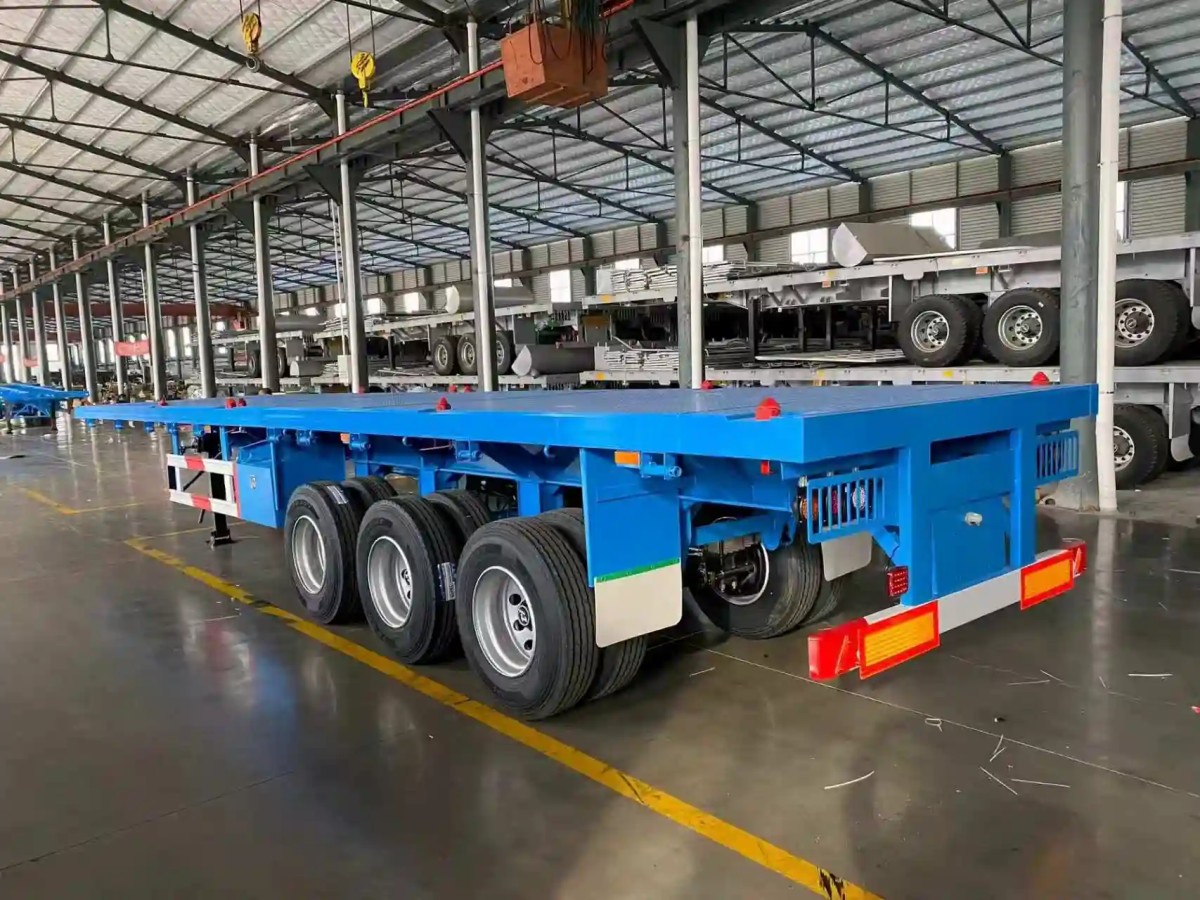
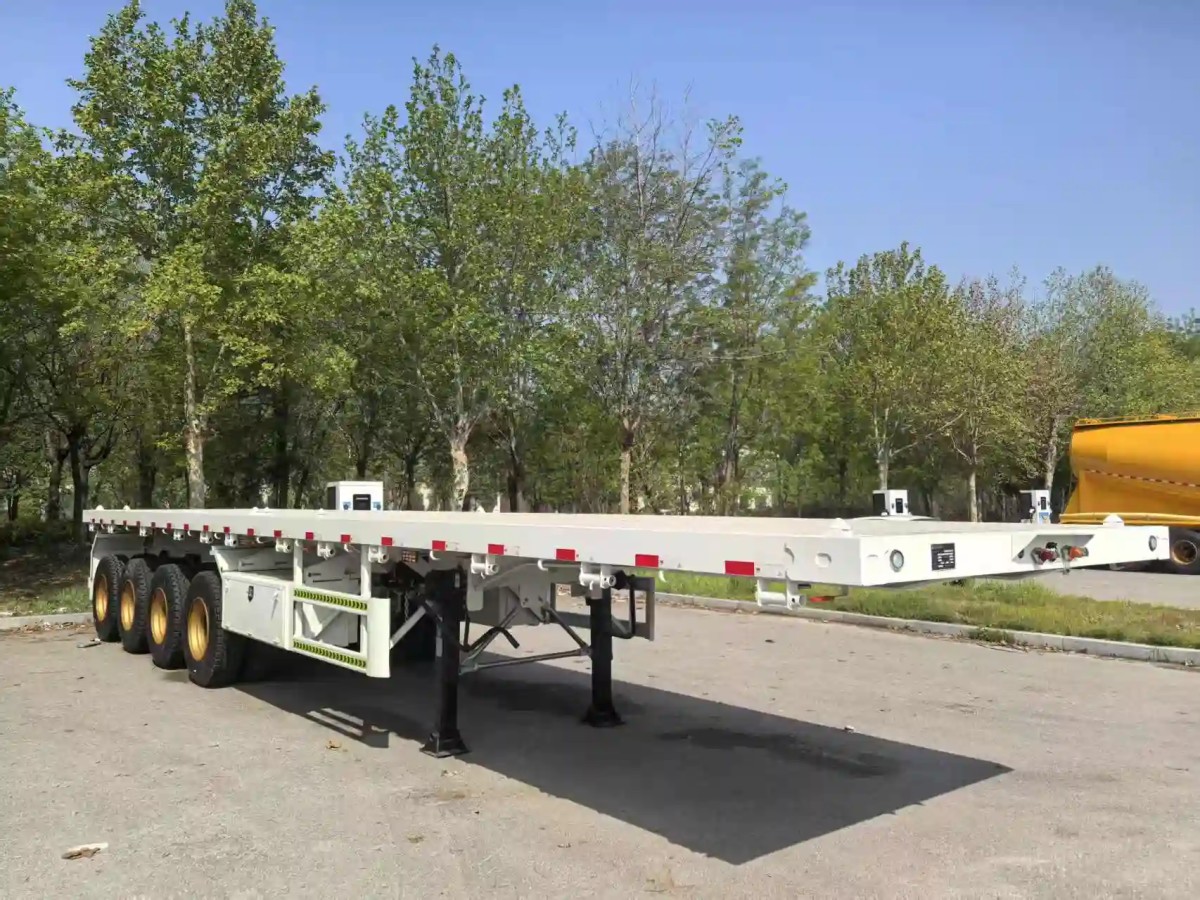
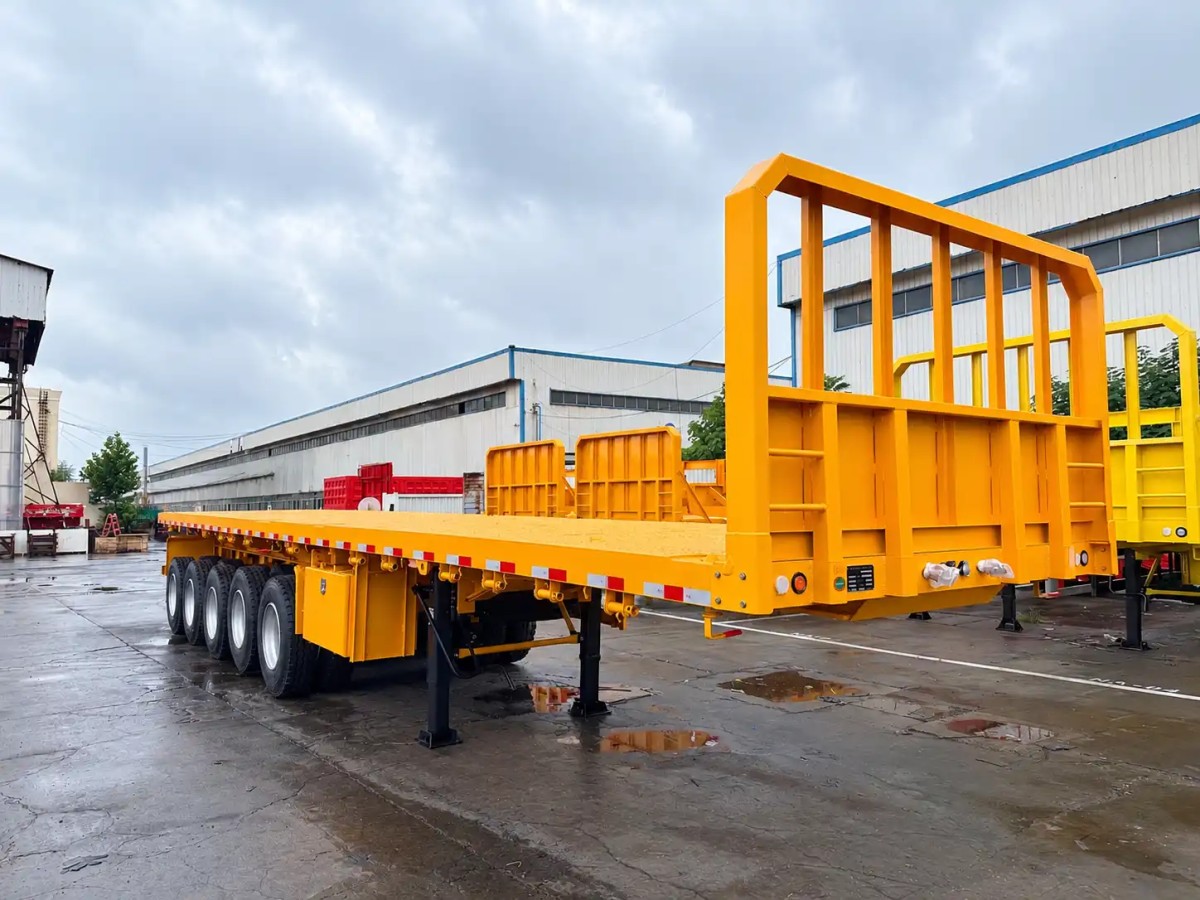
The actual load capacity depends on axle ratings, suspension, frame structure, tires, tractor compatibility, and local regulations. More axles do not automatically mean a higher permitted payload.
Choosing the right configuration should always be based on actual cargo requirements and operating conditions.
5. Frequent Heavy-Duty Operations Increase Maintenance Pressure
Repeated heavy loading, long-distance transportation, and rough road conditions can place continuous stress on the trailer's chassis, suspension, axles, tires, and braking system.
If small problems are ignored, they may develop into more expensive repairs and unexpected downtime.
How a Flatbed Semi Trailer Helps
A suitable trailer configuration can help meet the demands of daily transportation.
A properly designed frame, matched suspension and axle components, and reliable braking equipment all contribute to dependable operation.
Regular inspections are equally important. Operators should check tire wear, brake condition, suspension connections, frame welds, and cargo securing points.
Proper maintenance and suitable operating practices can help reduce avoidable repairs and support more consistent transportation operations.
Choosing the Right Flatbed Semi Trailer for Your Business
Selecting a flatbed semi trailer should start with understanding your actual transportation requirements.
Before making a decision, consider the following:
What types of cargo will you transport?
What are the typical cargo weight and dimensions?
How will the cargo be loaded and unloaded?
What cargo securing equipment is required?
Which axle configuration matches your payload requirements and local regulations?
What road conditions and transportation distances will the trailer face?
A 3 axle flatbed semi trailer, 4 axle flatbed semi trailer, or 5 axle flatbed semi trailer should be selected according to these requirements rather than simply choosing the configuration with the highest axle count.
Conclusion
Efficient cargo transportation depends on more than vehicle capacity. Loading flexibility, cargo security, weight distribution, structural reliability, and maintenance all influence daily transportation performance.
A properly configured flatbed semi trailer provides a practical solution for transporting a wide range of general and heavy cargo. Matching the trailer structure and axle configuration to actual operating requirements can help businesses improve transportation efficiency and maintain reliable freight operations.
Frequently Asked Questions About Flatbed Semi Trailers
1. What Is a Flatbed Semi Trailer Used For?
A flatbed semi trailer is mainly used to transport containers, steel products, timber, construction materials, industrial machinery, and other large or heavy cargo. Its open platform allows flexible loading and unloading from different directions.
2. What Is the Difference Between 3 Axle, 4 Axle, and 5 Axle Flatbed Semi Trailers?
The main difference is the axle configuration and its load distribution capability. A 3 axle flatbed semi trailer is commonly used for general cargo transportation, while 4 axle and 5 axle configurations can be considered for different load requirements. The final choice depends on axle ratings, trailer design, tractor capacity, and local road regulations.
3. How Much Weight Can a Flatbed Semi Trailer Carry?
The load capacity depends on the frame structure, axle ratings, suspension, tires, and applicable road regulations. Different axle configurations may support different operating requirements. Buyers should check the manufacturer's rated specifications before selecting a trailer.
4. Can a Flatbed Semi Trailer Transport Shipping Containers?
Yes. Flatbed semi trailers can be designed to transport 20ft and 40ft shipping containers. Suitable container locks help secure containers during transportation. Buyers should confirm platform dimensions, container lock positions, and permitted loading weight.
5. How Do You Secure Cargo on a Flatbed Semi Trailer?
Cargo can be secured using suitable chains, ratchet straps, lashing rings, and other approved restraint equipment. The securing method should match the cargo's weight, shape, and center of gravity. Proper weight distribution and regular checks are also important.
6. What Types of Cargo Can a Flatbed Semi Trailer Transport?
Common cargo includes steel coils, steel pipes, timber, construction materials, industrial machinery, shipping containers, and oversized equipment. Cargo dimensions, weight, and securing requirements should be checked before transportation.
7. What Should You Consider When Choosing a Flatbed Semi Trailer?
Important factors include cargo type, payload requirements, platform dimensions, axle configuration, suspension, tire specifications, braking equipment, and local transportation regulations.
8. How Can You Reduce Flatbed Semi Trailer Maintenance Costs?
Regularly inspect the tires, brakes, suspension, axles, frame connections, and cargo securing equipment. Avoid overloading and uneven cargo distribution. Proper maintenance can help reduce unexpected repairs and extend the trailer's service life.
Related Posts
- ▶ How to Choose the Right Flatbed Semi Trailer for Your Fleet?
- ▶ Flatbed Semi Trailer: 5 Common Transportation Problems and Their Solutions
- ▶ Double Deck Car Carrier Trailer: Improve Vehicle Transport Efficiency and Reduce Costs
- ▶ What tie-down capacity does a 3 axle flatbed trailer need?
- ▶ How does axle spacing affect a 3 axle flatbed trailer's load limit?
- ▶ When is a 3 axle flatbed trailer better than a 2 axle model?
- ▶ How to distribute a concentrated load on a 3 axle flatbed trailer
- ▶ What determines the unladen weight of a 45ft skeletal trailer?
- ▶ How does a sliding axle affect 45ft skeletal trailer use?
- ▶ How to identify a worn twist lock on a 45ft skeletal trailer
CONTACT US

Established in 2006, CHINA SINOTRUCK(HK) LIMITED Trailer supplies different types of products and provides relevant technical support and services to foreign customers.
Get in Touch
*We respect your confidentiality and all information are protected.