
Since 2006
Welcome to CHINA SINOTRUCK(HK) LIMITED !










Refrigerated Trailer Buying Guide – What to Look for Before You Spend
Refrigerated trailers are different from standard dry vans. They have a cooling system, insulated body, and keep cargo at the right temperature the whole way. Buying a reefer is not just buying a box with a cooler on it – it's buying a system that keeps your goods safe.
There are many options – single temperature, multi-temperature, different cooler brands and power sizes. The right choice depends on what you carry, where you drive, and how you load and unload – not just the price. Let's go through the key points.
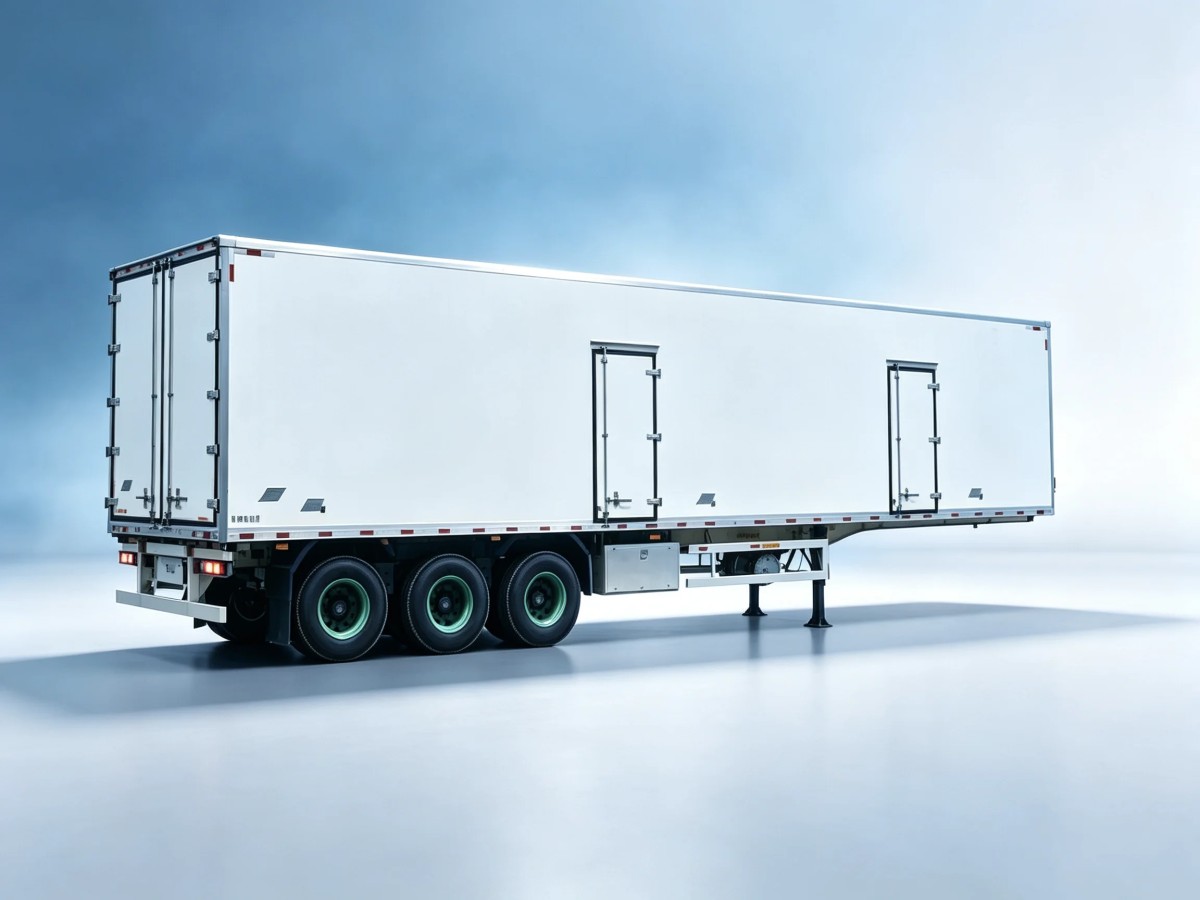
1. Insulated Body – If Cold Air Leaks Out, It's No Good
The two most valuable parts of a reefer are the insulated body and the cooling unit. If the body is bad, even a good cooler won't keep things cold.
✅ Insulation thickness and material – good reefers use polyurethane foam, at least 48kg/m³ density. 80mm is okay for chilled goods. 100mm is better for frozen goods.
✅ Check the body – look for bulges, dents, or repair marks. Bad repairs can let water into the insulation and ruin it.
✅ Door seals – close the door on a piece of paper. If you can pull it out easily, the seals are worn out.
✅ Floor – look for cracks or damage. T-shaped aluminum rails make loading easier and help cold air flow.
❌ Don't ignore repair marks without checking seals – insulation may be water damaged.
2. Cooling Unit – Operating Hours Matter More Than Distance
The cooler is the heart of the reefer – if it stops working, the cargo is ruined.
✅ Operating hours are more important than mileage. Most coolers last 25,000 to 30,000 hours. A unit with fewer hours normally has more life left – but service records matter too.
✅ Brands – Thermo King and Carrier are the big names. Pick the one with better service and parts in your area.
✅ Cooling power – check the BTU/h number. Frozen meat needs more power. Pharmaceuticals need steady temperature and data recorders.
✅ Stand-alone units keep working even when the truck is off – good for long trips. Non-stand-alone is cheaper, good for short trips.
? Optional – electric standby saves fuel where you can plug in to power.
3. ATP Certificate – Your "Passport" for International Routes
If you plan to cross borders with a reefer, ATP is important.
✅ ATP is an international agreement for moving perishable food. Many countries require it.
✅ Different places have different rules – DOT for the US, CE for Europe, ATP for international cold chain.
❌ Not checking requirements before buying – trailers can get stuck at the port.
4. Chassis and Frame – The Backbone of the Reefer
Reefers carry heavy loads and run long miles – the frame must be strong.
✅ Frame steel – high-strength steel is standard. Straight beams mean better load capacity.
✅ Suspension – mechanical suspension is cheaper and easier to fix. Air suspension is smoother, better for the cooler and body.
❌ Air suspension costs more to maintain – mechanical is better if money is tight.
5. Final Things to Check Before Buying
✅ Your cargo decides the cooler setup – fresh produce needs moisture control, frozen goods need more power, medicines need backup cooling.
✅ The cooler keeps running during loading/unloading – if it takes long, fuel costs add up.
✅ Always check service records – oil changes, filters, software updates. Good records mean the previous owner took care of the unit.
⭕ ATP certificate – depends on what routes you run.
Bottom line – pick the right reefer and it makes you money. Pick wrong and it costs you money. Body seals, cooler hours and service records, ATP, frame quality – get these right, and you won't buy wrong.
If you have specific questions about refrigerated trailer configuration, feel free to leave a comment.
Related Posts
CONTACT US

Established in 2006, CHINA SINOTRUCK(HK) LIMITED Trailer supplies different types of products and provides relevant technical support and services to foreign customers.
Get in Touch
*We respect your confidentiality and all information are protected.