
Since 2006
Welcome to CHINA SINOTRUCK(HK) LIMITED !










Sidewall Semi Trailer Buying Guide: Look Beyond the Price, Build for the Road Ahead
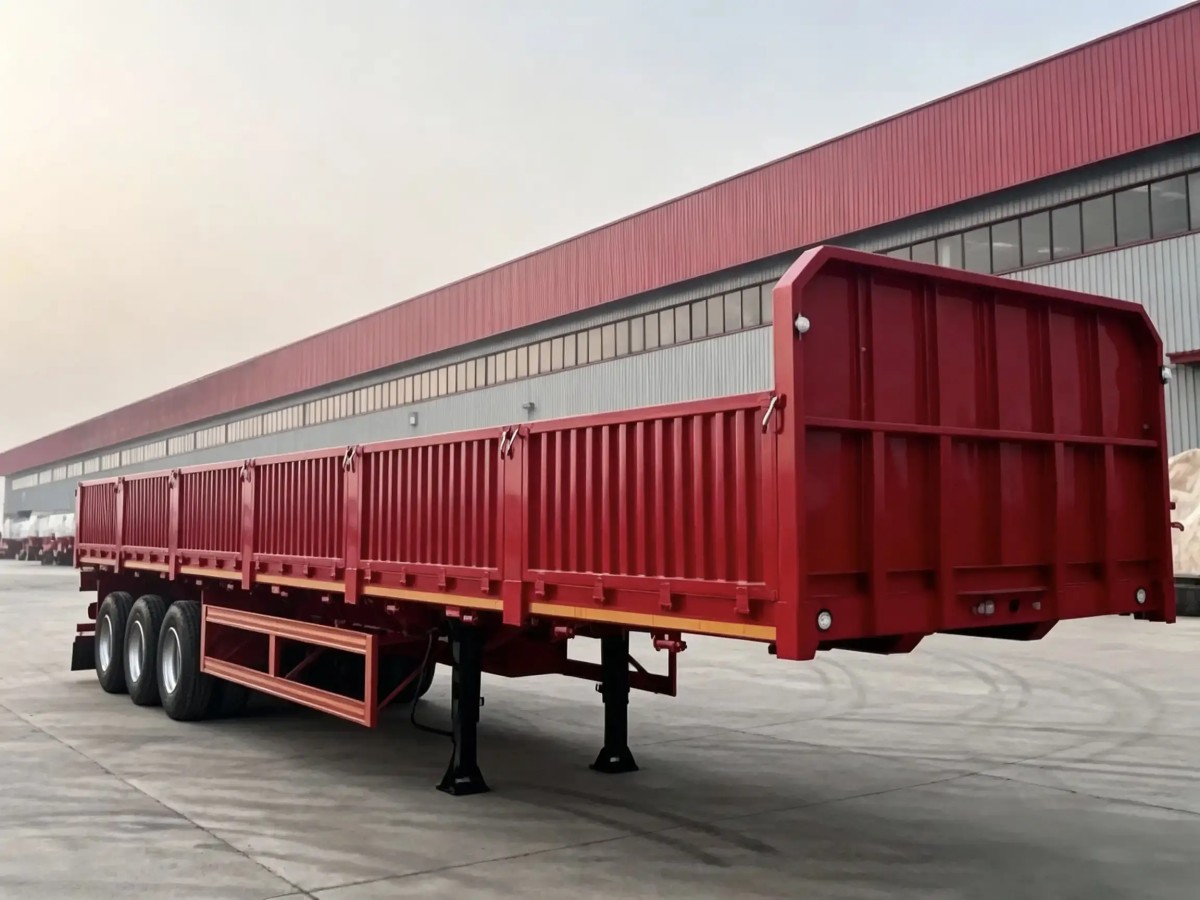
A Sidewall Semi Trailer has rigid side panels — removable or drop-down.
First-time buyers often get pulled toward the lowest quote. But the trailer that saves you money today can cost you far more down the road — in downtime, repairs, and lost loads.
This guide goes through it in buying order, one block at a time. No spec dumping. Just what actually decides whether the trailer is worth what you pay.
1. Confirm the Panel Type: Fixed, Removable, or Drop-Down
This is the first thing to clarify, because it locks in how you'll load and unload for years, how hard your drivers work, and how much maintenance will cost.
Fixed Welded Panels
Highest strength, best sealing. Good for cargo that needs rain and dust protection — bagged cement, fertilizer, grain. The downside: rear or top loading only. No side forklift access. If your site has no side-loading setup, fixed panels are actually simpler and more reliable, with fewer failure points.
Removable Panels
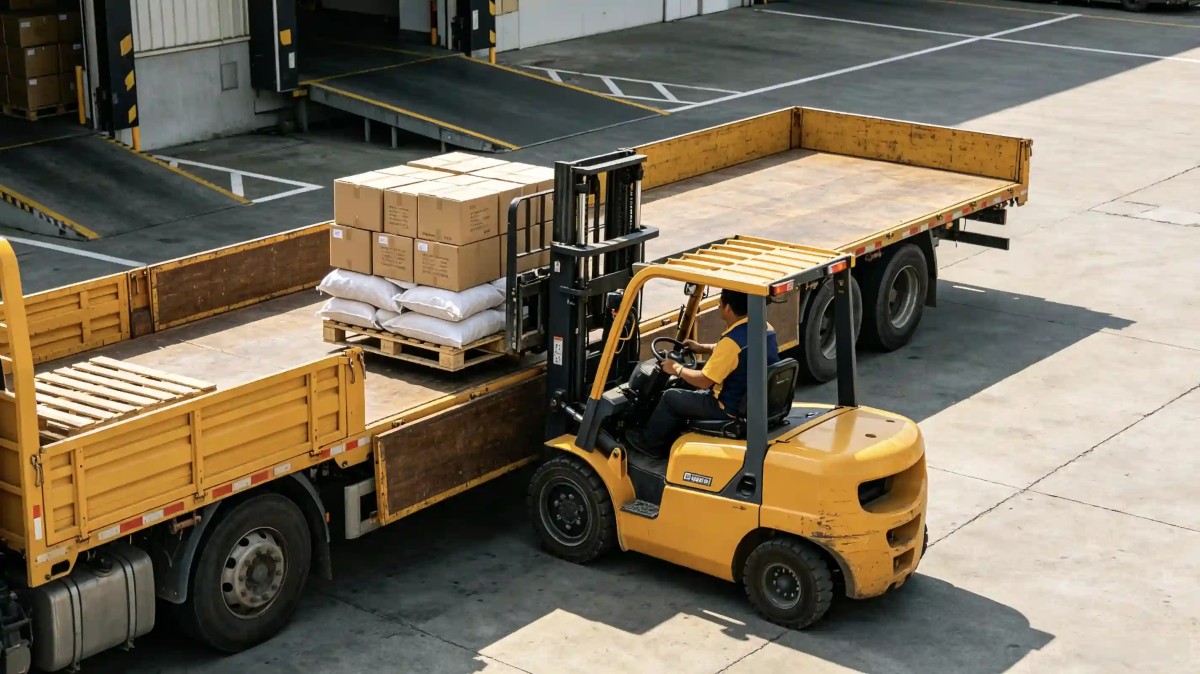
Panels come off in one piece or in sections, so a forklift can load directly from the side. Best for pallets, bagged goods, building materials, and appliances with high-frequency loading. This is the most common direction for Sidewall Semi Trailers. But removable structures demand durable hinges and locks. On cheap trailers, locks loosen within six months, panels rattle, and sealing drops.
Drop-Down Panels
Panels fold down instead of coming off completely. Less hassle than full removal, and works for certain cargo heights. But the hinge structure takes more stress — be careful with heavy cargo. If your cargo is heavy and loading is frequent, drop-down hinges wear faster than removable ones.
One-line advice: High-frequency side loading → removable. Rain and dust priority → fixed. Drop-down depends on cargo height and weight.
2. Panel Segmentation: Not Bigger or Smaller — Just Right
How you segment the panels decides your driver's daily workload and how often you'll service the locks.
Fewer, Larger Panels
Fewer lock points, fewer open-and-close cycles, better overall sealing. But each panel is heavy. One person struggles — usually needs two people or forklift assistance. If your drivers are short-handed, this design actually slows loading down.
More, Smaller Panels
One person can handle them. More flexible. Good for limited manpower and multiple loading points. But more lock points, and every lock is a potential failure point. More daily checks and maintenance. On long hauls, loose locks are a common issue, and pre-trip checks take longer.
Don't just look at samples. Ask for the weight of a single panel, then ask your driver: how many times a day would you willingly remove this? If the answer is no, cheaper isn't better.
Segmentation also affects sealing. More sections mean more seams, and weaker rain and dust protection. If you haul moisture-sensitive cargo, prioritize this.
3. Floor & Chassis: Built for Repeated Forklift Traffic
Sidewall trailers take constant side loading. The floor and chassis need to handle more than a standard trailer. This is the most overlooked area — and the most expensive to repair later.
Floor
Check thickness and surface treatment. For palletized cargo, go with anti-slip patterned flooring — safer loading in rain. Make sure there's enough cross member support underneath, or the floor will dip under forklift weight. Once the floor dips, repairs are messy and often require tearing into the structure.
Cross Members
Closer spacing means better support under concentrated loads. Cheap trailers space them wider. You won't notice short-term, but heavy long-term use will show deformation. Ask directly for spacing and specs. Don't settle for vague claims like "reinforced."
Main Beam
High-strength steel, full-seam welding. Ask for the steel grade and thickness. The main beam carries the whole load. Cutting cost here causes the biggest problems later.
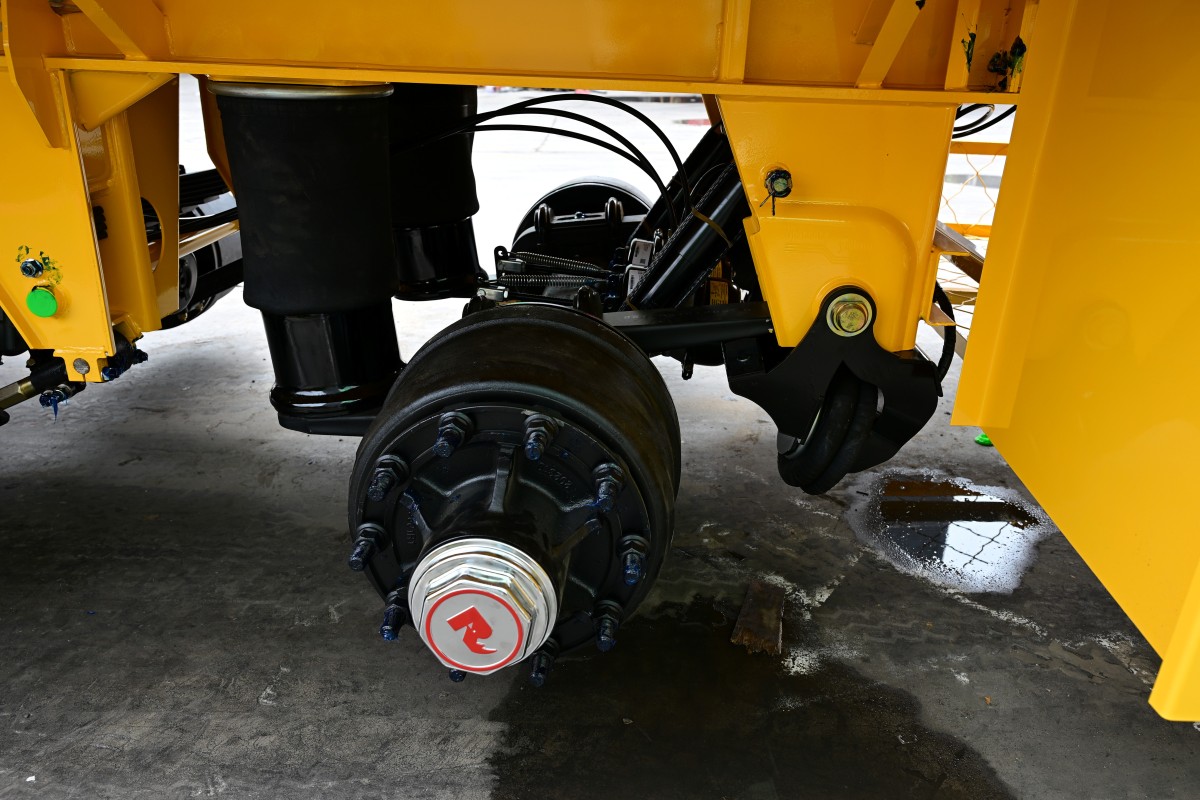
Suspension
Mechanical is cheaper and simpler, good for tight budgets and average roads. Air suspension costs more but dampens vibration and protects cargo — worth it for precision equipment, fragile goods, or cargo integrity requirements. Air also lets you adjust ride height to match different loading docks.
4. Axle Configuration & Payload: Match Your Cargo and Local Rules
3 axles is mainstream, but not the only answer. Pick wrong, and you either run short on payload or carry extra weight and cost for nothing.
More axles isn't automatically better. Added axles mean more weight, higher fuel and tire costs. Multi-axle setups also demand more suspension and tire maintenance — not cheap long-term.
Calculate your typical cargo weight first, then decide. If your cargo weight fluctuates, spec for the heaviest case — but don't carry an extra axle year-round for one occasional heavy load.
Also, axle count, spacing, and gross weight rules vary by country and state. For export orders, confirm destination regulations before you spec, or you risk non-compliance on arrival.
Final Word
A Sidewall Semi Trailer looks simple. But the same exterior can hide real differences in panel structure, floor strength, and hinge quality.
Related Posts
CONTACT US

Established in 2006, CHINA SINOTRUCK(HK) LIMITED Trailer supplies different types of products and provides relevant technical support and services to foreign customers.
Get in Touch
*We respect your confidentiality and all information are protected.