
Since 2006
Welcome to CHINA SINOTRUCK(HK) LIMITED !










Bulk Cement Tanker Trailer Daily Use Guide – How to Load, Drive, and Unload Without Clogging
Bulk cement tanker trailers are completely different from standard cargo trailers. A standard trailer opens the doors and unloads. A cement tanker needs compressed air to "blow" the cement out. Do it wrong – stuck loads, hardened cement in the tank, breakdowns on the road – any one can leave you stranded.
We have the following products available,include the Stainless Steel 3-Axle Cement Bulk Tanker Trailers (stainless tank for food-grade or corrosive powders), 3-Axle 45CBM Bulk Cement Tanker Trailer (most common, covers most needs), and 2 Axle 25CBM Dry Bulk Tanker Trailer (light loads, short hauls, city routes).
The three types have different tank sizes and materials, but the usage logic is the same. These are practical tips from real use.
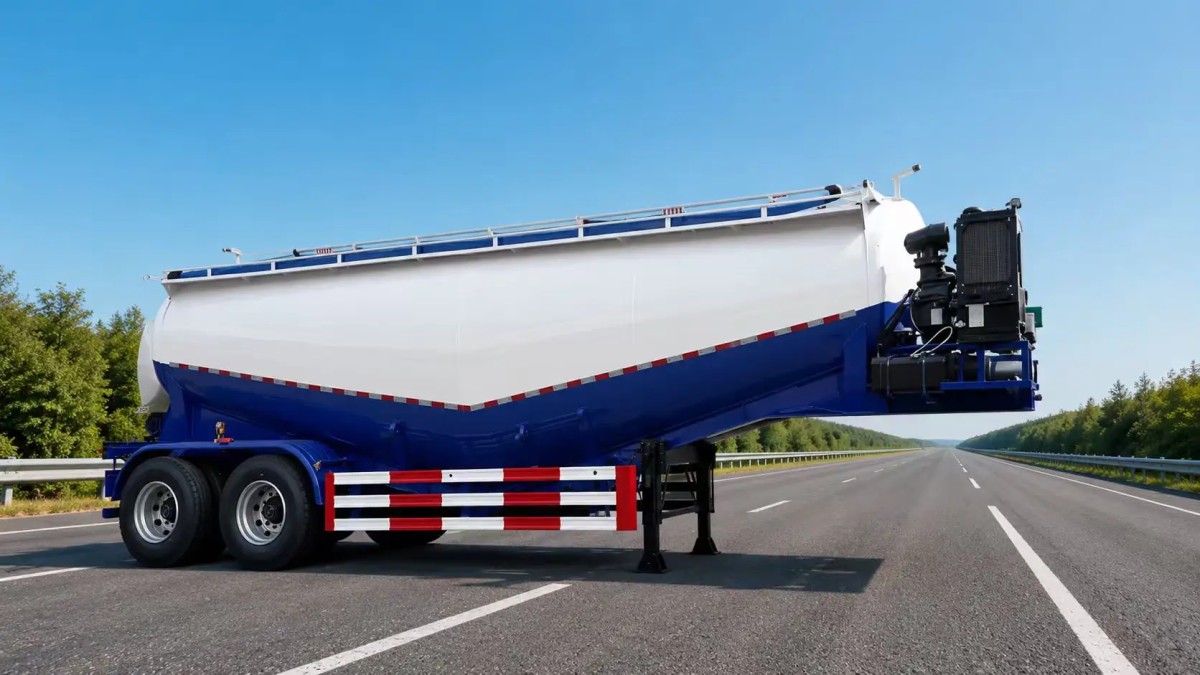
1. Loading – Get This Wrong and You'll Regret It Later
✅ Check the tank interior first. Last load was cement, this load is fly ash – mixed materials ruin the customer's concrete mix. Especially for Stainless Steel 3-Axle Cement Bulk Tanker Trailers handling food-grade powders – cleanliness requirements are stricter.
✅ Load evenly. If material goes in from one spot, it piles up on one side – the trailer leans while running, increasing rollover risk on turns.
✅ Wipe the manhole seal before closing. Even one grain of cement on the seal creates a gap. Rainwater gets in, cement hardens, and the whole load is scrap.
2. On the Road – Not the Same as Standard Trailers
✅ Easy on the throttle and brakes. Powder cargo has a "wave effect" – hard acceleration pushes material back, making the front feel light. Hard braking pushes material forward, pushing the cab.
✅ Slow down earlier for turns. Cement tankers have a high center of gravity – brake before the turn, not inside it.
✅ Watch the pressure gauge while driving. If pressure keeps rising, the breather valve is blocked – stop and check.
3. Unloading – The Most Critical Step
✅ Check for residual tank pressure first. Check the pressure gauge – make sure it reads zero before opening the manhole cover.
✅ Blow through the discharge hose before connecting. Open the air valve for a few seconds before connecting.
✅ Hold working pressure at 0.2 MPa. Higher pressure creates blockages at elbows.
✅ Monitor compressor temperature. After 40-50 minutes of continuous running, shut it down for 10 minutes if unloading isn't complete.
4. After Unloading – Don't Rush Off
✅ Wipe the manhole seal. It may pick up cement dust during unloading.
✅ Release residual tank pressure. Closing with pressure inside pulls in moisture as temperature drops.
✅ Rinse the tank exterior and chassis. Cement dust is corrosive – don't let it sit.
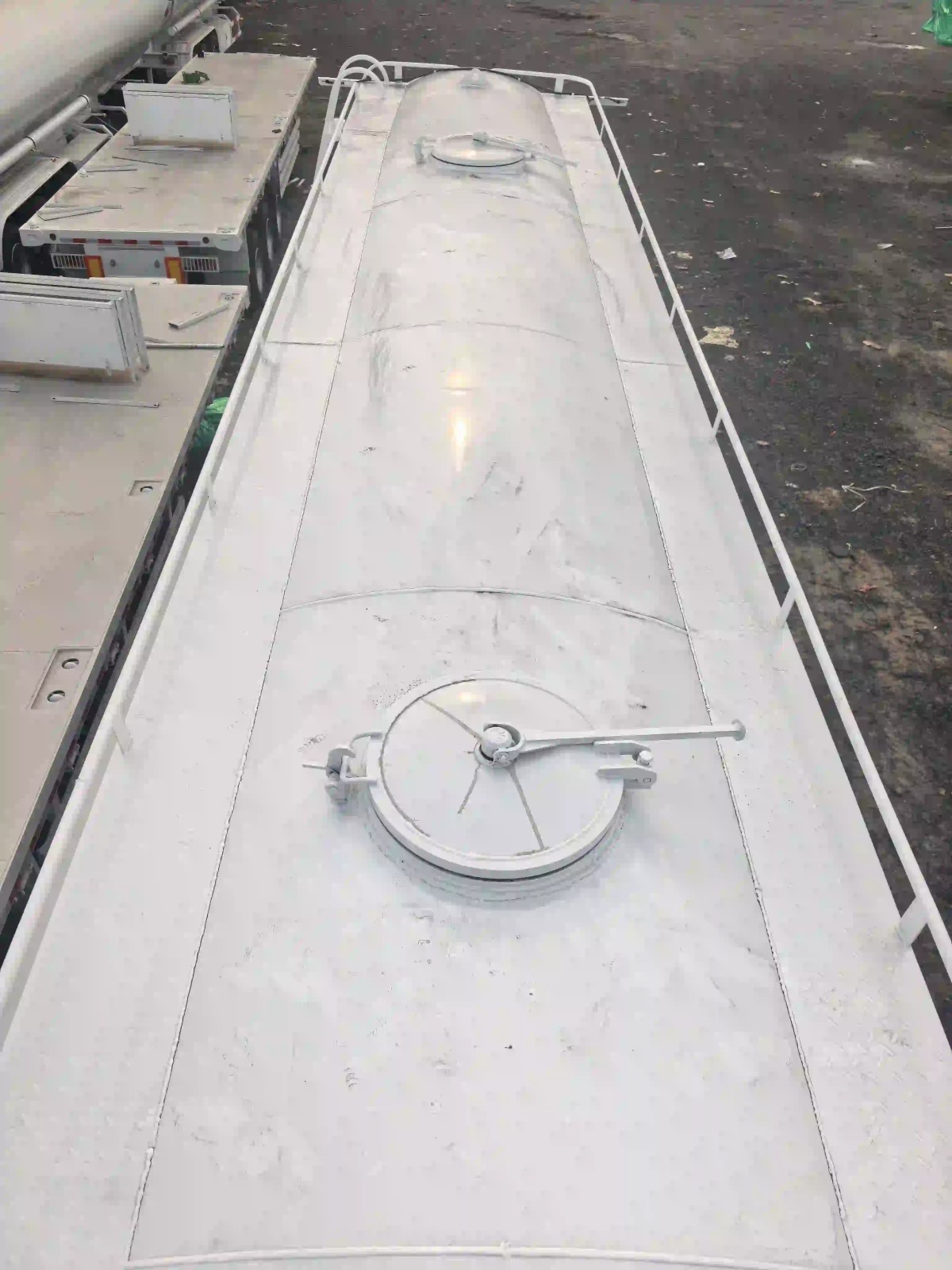
5. Daily Maintenance – Don't Wait for Breakdowns
✅ Check compressor oil level daily.
✅ Clean air filter every 30 hours – replace after 5 cleanings.
✅ Drain air tanks daily.
✅ Replace fluidization bed fabric if discharge slows.
✅ Replace seals when cracked or deformed.
❌ Common Mistakes to Avoid
❌ Opening the manhole cover without releasing pressure – the lid can blow off and cause serious injury.
❌ Over-pressurizing – pressure above 0.2MPa blows hoses or ruptures tanks.
❌ Not closing valves after unloading – leftover material hardens and blocks the next load.
Bottom line – cement tankers are different from standard trailers. The 3-Axle 45CBM Bulk Cement Tanker Trailer is the most common choice. The 2 Axle 25CBM is for short-haul light loads. The Stainless Steel 3-Axle is for materials requiring high cleanliness. Load evenly, drive smoothly, unload correctly – get these three right, and the trailer works.
If you have specific questions about bulk cement tanker daily use, feel free to leave a comment.
Related Posts
CONTACT US

Established in 2006, CHINA SINOTRUCK(HK) LIMITED Trailer supplies different types of products and provides relevant technical support and services to foreign customers.
Get in Touch
*We respect your confidentiality and all information are protected.