
Since 2006
Welcome to CHINA SINOTRUCK(HK) LIMITED !










Superlink Trailer Daily Use Guide – How to Drive, Load, and Maintain Double Trailers
A Superlink trailer – also called a B-double, interlink, or double-trailer combination – is different from a standard single trailer. One truck pulls two trailers. The front and rear trailers connect through a dolly or fifth wheel coupling. One truck, double the cargo, one trip does the work of two. But driving, reversing, and using it are completely different from standard trailers.
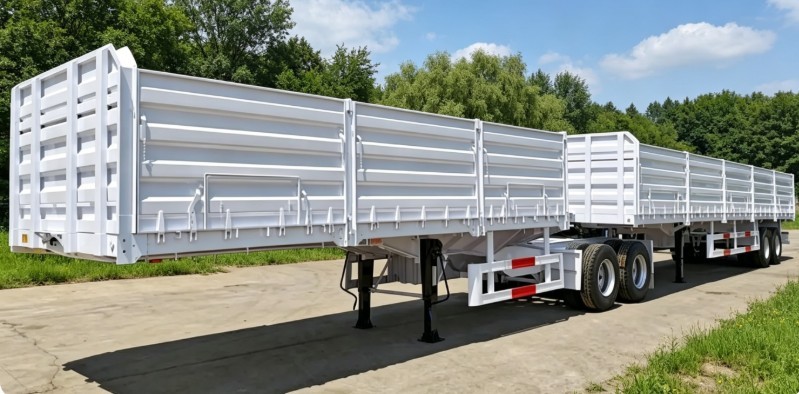
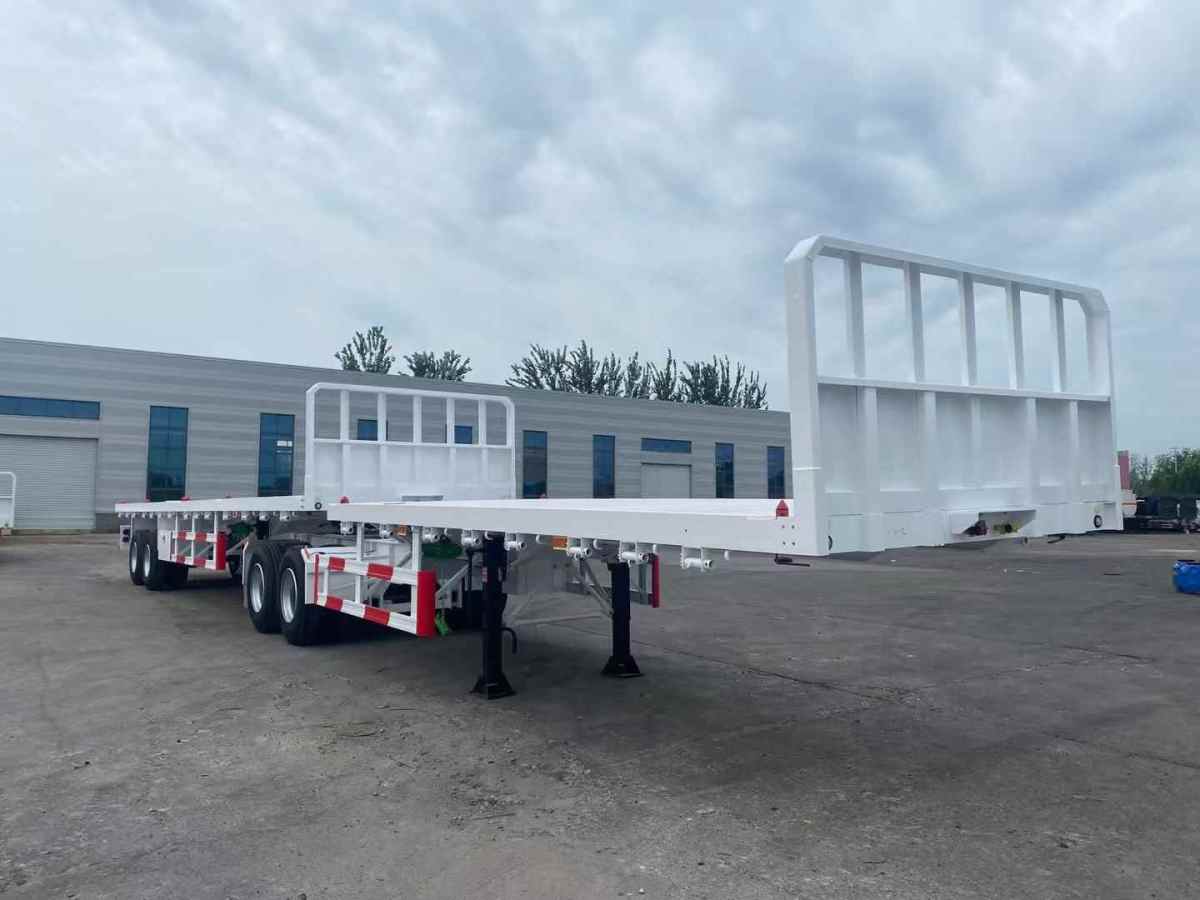
Our website currently features the 20ft + 40ft Superlink Flatbed Semi Trailer and the Dropside Superlink Trailer – flatbed for containers, steel, and equipment; dropside for bulk cargo, building materials, and agricultural products. And we have more than just these – other Superlink configurations are also available. Feel free to ask. These are practical tips from daily use.
1. Pre-Trip Checks – Double Trailers Mean Double the Points to Check
A Superlink has two sets of axles, two sets of suspension, two sets of brakes, and two sets of tires. Every check point must be done twice.
✅ Connection points. Tractor to front trailer (kingpin). Front to rear trailer (dolly or fifth wheel). If either fails, the trailer detaches on the road – big trouble. Check both before every trip.
✅ Brakes and air lines. Superlink air lines are twice as long as standard trailers – more chances for leaks. Start the engine, press the brakes a few times, listen for hissing, watch the pressure gauge.
✅ Tires and lights. Superlinks have many tires – 20ft+40ft setups usually have 8 to 12 tires. Check pressure and condition on all of them. Check all lights – brake lights, turn signals, marker lights.
2. On the Road – Driving a Double Trailer Is Completely Different
Superlinks can exceed 20 meters in total length and weigh 40-56 tons. Driving, turning, and reversing are not the same as standard trailers.
✅ Turn wide and slow. Because Superlinks are long, the rear trailer "cuts in" on turns – the rear wheel path is completely different from the front.
✅ Keep more distance. Double trailers take much longer to stop – leave at least double the normal following distance.
✅ Use low gear downhill. Heavy loads on long descents overheat brakes. Downshift before the descent and use engine braking.
3. Reversing – The Hardest Part for Drivers
Superlink reversing is completely different from standard trailers. A standard trailer is one articulation point – Superlink has two. The front and rear trailers form angles that are hard to control.
✅ Avoid reversing when possible. Choose loading/unloading spots where you can drive in forward and drive out forward.
✅ Go slow when reversing. Small steering adjustments. Stop and check, then continue.
✅ Have someone guide you. Superlinks have big blind spots – the driver can't see the rear trailer. A spotter makes it much safer.
4. Loading – Superlink's Two Trailers Each Have Their Own Rules
Superlink trailers can be used separately or together. Loading method determines efficiency and safety.
✅ Distribute weight properly. 20ft+40ft setups usually have 2 axles on the front and 3 on the rear. Load capacity differs. Don't overload the front and leave the rear empty.
✅ Separate or combine as needed. Light load – separate them and run with two trucks. Heavy load – combine and use one truck. This flexibility is Superlink's biggest strength.
✅ Dropside Superlink advantage. Dropside trailers have doors on the sides and rear – loading bulk cargo, building materials, and agricultural products from multiple angles makes unloading fast.
5. Daily Maintenance – Superlinks Need More Frequent Care
More parts mean more wear – maintenance must be done more often.
✅ Break-in period for new trailers. First 300 km – load no more than 80% of rated capacity. After 30-50 km, check hubs and suspension bearings for heat or noise. After 300-500 km, re-tighten all bolts.
✅ Regular bolt checks. Superlinks have many connection points – U-bolts, suspension bolts, dolly bolts all loosen with vibration. Check every quarter.
✅ Shorter brake and suspension intervals. Superlinks carry more weight and run longer – brake pads and suspension wear out faster. Check both trailers independently.
✅ 6-month full inspection. After 6 months of use, do a full inspection. Repeat every 12 months.
Bottom line – use a Superlink right and it's a money-maker. Double the cargo per trip, fuel and labor costs cut in half. Use it wrong and it's trouble – can't reverse, brakes fail, can't turn.
The 20ft + 40ft Superlink Flatbed Semi Trailer is for containers, steel, and large equipment – flexible flatbed design. The Dropside Superlink Trailer is for bulk cargo, building materials, and agricultural products – multi-direction loading. The key is a skilled driver, regular maintenance, and knowing the limits. And we offer more than just these two – if you have other Superlink configuration needs, feel free to reach out.
If you have specific questions about Superlink trailer daily use, feel free to leave a comment.
Related Posts
CONTACT US

Established in 2006, CHINA SINOTRUCK(HK) LIMITED Trailer supplies different types of products and provides relevant technical support and services to foreign customers.
Get in Touch
*We respect your confidentiality and all information are protected.