
Since 2006
Welcome to CHINA SINOTRUCK(HK) LIMITED !










Drawbar Trailer Buying Guide – What to Look for Before You Spend
A drawbar trailer – also called a full trailer – is different from a semi-trailer. It has its own wheels and axles, connected to the towing vehicle by a drawbar. A semi-trailer puts weight on the tractor's fifth wheel. A drawbar trailer doesn't – it stands on its own. This means the tractor can carry more load, especially in regions with strict axle load limits.
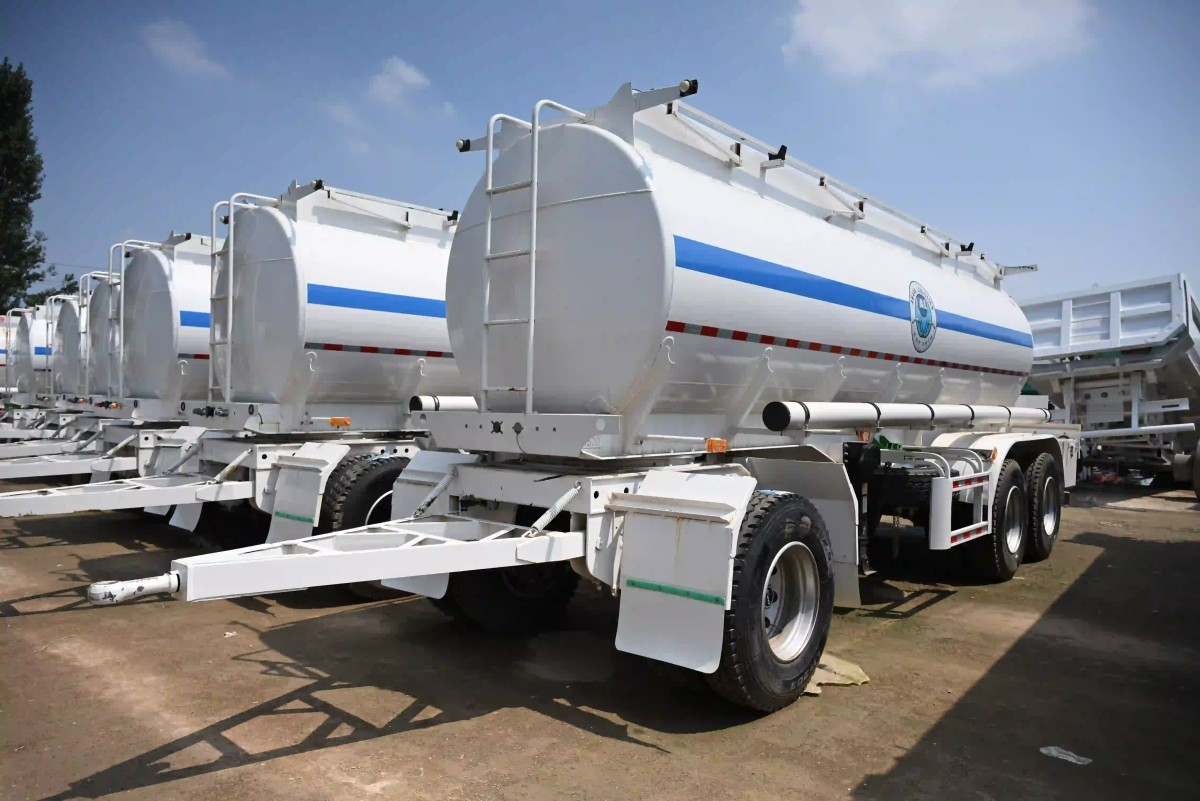
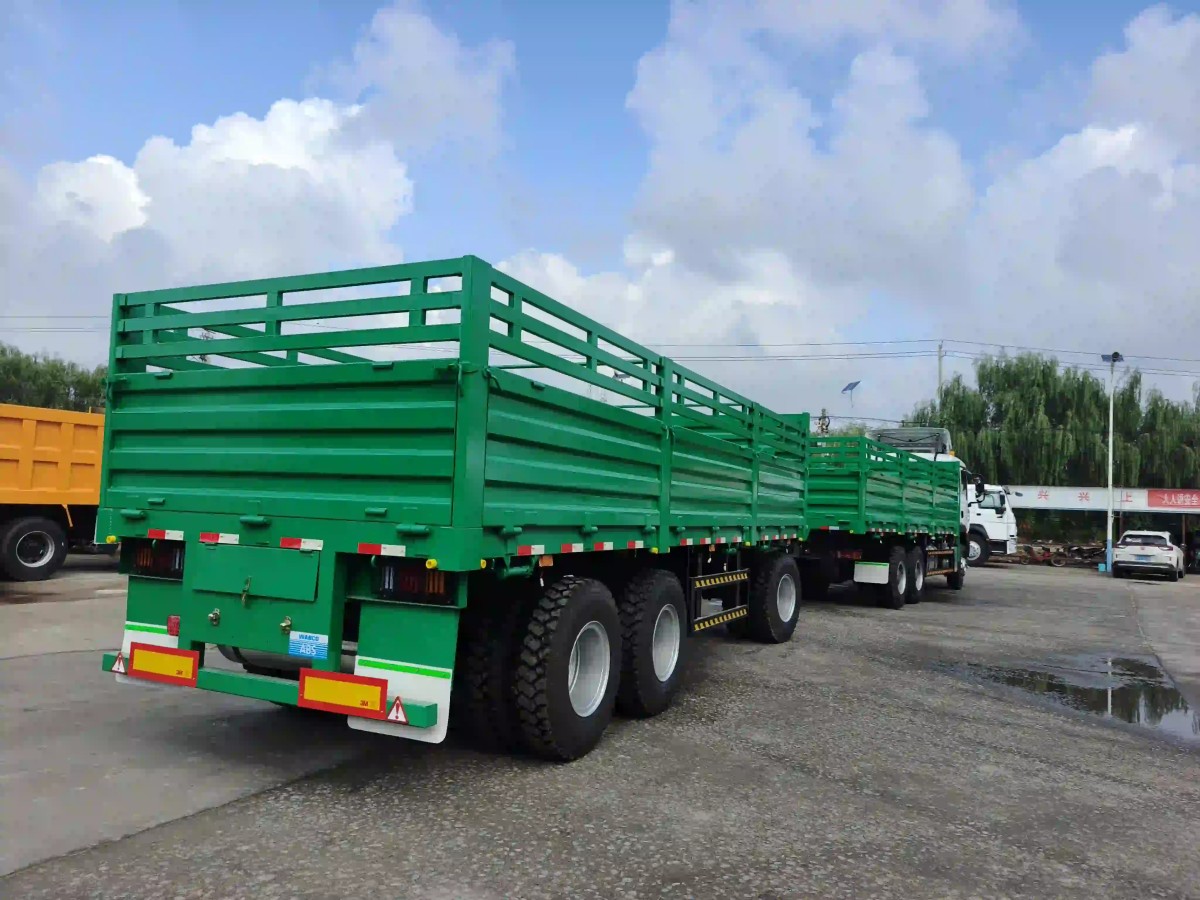
Our website currently features the 15CBM Fuel Tanker Drawbar Trailer and the 3-Axle Fence Drawbar Trailer – and we also cover other types of drawbar trailers. Let's break down the key buying points.
1. What problem does a drawbar trailer solve?
A semi-trailer puts weight on the tractor. A drawbar trailer doesn't. This means the tractor can legally carry more cargo in regions with strict weight limits.
Drawbar trailers can also be uncoupled and parked separately – the tractor can do other work. In some markets, drawbar trailers also have different length and weight regulations.
2. Axle Count and Capacity – Match Weight to Axles
✅ 2-axle: 25-30 tons. Short hauls, light loads, city delivery.
✅ 3-axle: 40 tons. The most common configuration – covers most transport needs.
Suspension type: Mechanical suspension is cheaper and simpler to repair – good for job sites and mines. Air suspension is smoother but higher maintenance.
3. Fuel Tanker Drawbar – Special Requirements for Liquid Transport
For fuel, chemicals, and water transport, tank material and sealing are key.
✅ Tank material: Carbon steel (Q345) for fuel. Stainless steel for corrosive chemicals.
✅ Tank thickness: Tank shell 5mm, head plates 6mm. Bottom needs extra thickness to resist stone damage.
✅ Compartments: Multiple compartments for different products in one trip.
✅ Discharge system: Gravity discharge is simple and cheap. Pressure discharge is faster but requires additional equipment.
4. Fence Drawbar Trailer – Bulk Cargo and Construction Materials
For sand, gravel, bricks, timber, grain – fence structure and floor thickness are key.
✅ Fence structure: Removable fences allow forklift loading. Check latch and hinge quality.
✅ Floor thickness: Typically 4-6mm. For ore and coal, add wear plates or thicker steel.
✅ Fence height: High fences for light cargo, low fences for heavy cargo.
5. Final Checks Before Buying
Regulations: Drawbar trailer length and weight limits differ from semi-trailers – check your routes.
Tractor match: Drawbar trailers need a tow hook and electrical connections – not a fifth wheel.
Loading area: Drawbar trailers can be uncoupled – flexible. But reversing is much harder than semi-trailers.
Bottom line – drawbar trailers and semi-trailers each have their strengths. Fuel tanker drawbars are for liquid transport and short hauls. Fence drawbars are for bulk cargo, construction materials, and agricultural products. The key is knowing what you haul and where you run.
If you have specific questions about drawbar trailer configuration, feel free to leave a comment.
Related Posts
CONTACT US

Established in 2006, CHINA SINOTRUCK(HK) LIMITED Trailer supplies different types of products and provides relevant technical support and services to foreign customers.
Get in Touch
*We respect your confidentiality and all information are protected.